Learn how to choose the best facial rejuvenation treatments for wrinkles, sagging skin, volume loss, and natural-looking, lasting results.
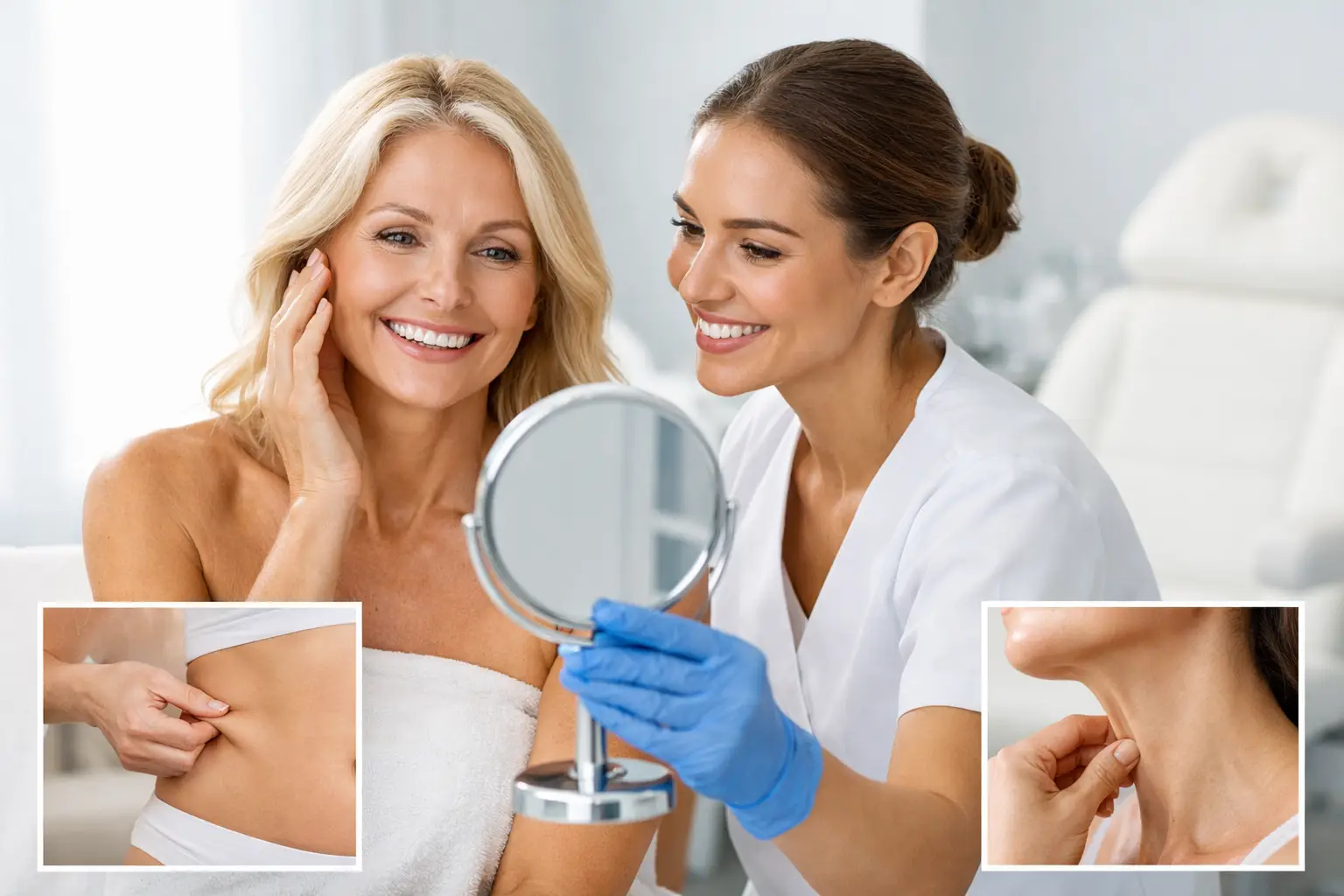
A mirror usually tells the story before a photo does. What many patients notice first is not one dramatic change, but a collection of subtle shifts - looser skin along the jawline, heaviness around the eyes, deeper folds beside the mouth, and a tired expression that does not match how they feel. The best facial rejuvenation treatments are the ones that address those changes with precision, not excess, and restore freshness without erasing character.
For most patients, facial rejuvenation is not about chasing a different face. It is about looking rested, defined, and naturally confident again. That is why the right approach depends less on trends and more on anatomy, skin quality, age-related changes, and how much correction is actually needed.
What makes the best facial rejuvenation treatments work
The face ages in layers. Skin loses elasticity. Fat pads shift or shrink. Muscle activity etches lines into the skin. In some patients, volume loss is the main concern. In others, skin laxity is the issue. Many have a combination of both.
This matters because no single treatment solves everything well. Injectable treatments can soften lines and restore limited volume, but they do not reposition significant sagging tissue. Skin treatments can improve texture and tone, but they cannot recreate jawline definition once deeper structures have descended. Surgery can deliver the most meaningful lift when laxity is advanced, but it is not the first choice for every patient.
The best results come from matching the treatment to the problem. That sounds simple, but it is where many patients go wrong. They keep repeating non-surgical procedures for concerns that now require a more structural solution, or they assume surgery is the only answer when a less invasive option may be enough.
Best facial rejuvenation treatments by concern
For sagging skin and loss of definition
When the lower face and neck begin to soften, a facelift is often the most effective option. A well-executed rhytidectomy can restore contour through the cheeks, jawline, and neck in a way that non-surgical treatments cannot reliably match. The goal should never be a tight or overdone look. In experienced hands, the result is smoother, firmer, and more refined while still looking like you.
This is often the turning point for patients who feel fillers have stopped helping. If jowls, neck banding, or skin laxity are advanced, lifting the deeper facial tissues creates a cleaner and longer-lasting improvement than trying to camouflage the issue with added volume.
For tired or heavy-looking eyes
The eye area ages early and visibly. Excess upper eyelid skin can create a hooded appearance, while puffiness or loose skin under the eyes can make the entire face look fatigued. Blepharoplasty is one of the most impactful facial rejuvenation procedures because small refinements around the eyes can make a patient look significantly more rested.
Upper eyelid surgery removes or repositions excess tissue to open the eyes. Lower eyelid surgery can reduce under-eye bags and improve contour. It is especially valuable for patients who still look tired even when they feel well and are taking good care of their skin.
For wrinkles caused by facial expression
Dynamic lines such as crow’s feet, forehead creases, and frown lines respond well to neuromodulators. These treatments relax targeted muscles, softening repetitive expression lines and helping prevent them from becoming deeper over time.
They are a strong option for patients who want visible improvement with little downtime, but results are temporary and maintenance is part of the plan. They also work best for motion-related wrinkles, not loose skin or major volume loss.
For hollowing and facial volume loss
As cheeks flatten and facial support diminishes, the face can appear more severe or aged. Fillers can restore volume selectively, particularly in the midface, temples, and around the mouth. When used conservatively, they can refresh facial proportions and soften shadows.
The key word is selectively. Too much filler, especially when used to compensate for sagging rather than true volume loss, can create heaviness instead of rejuvenation. In some cases, fat transfer may be a more natural long-term option for patients already considering surgery or those seeking a softer, more integrated result.
For skin texture, tone, and fine lines
Not every aging concern is structural. Sun damage, uneven pigmentation, rough texture, and fine creasing can age the face even when contours remain good. Skin-focused treatments such as laser resurfacing, chemical peels, and medical-grade skin care can improve brightness, smoothness, and overall skin quality.
These options are often best as part of a broader plan. A lifted face with poor skin texture may still look aged, while healthy, luminous skin can elevate the result of any rejuvenation treatment.
Surgical vs. non-surgical treatment
This is where honest guidance matters. Non-surgical treatments are attractive for obvious reasons - less downtime, lower upfront cost, and gradual changes. For younger patients or those with early signs of aging, they can be an excellent first step.
But there is a point when maintenance becomes inefficient. If a patient has significant skin laxity, neck fullness, or pronounced jowling, repeated injectables and skin treatments may offer only partial improvement. Over time, the cost can add up while the result remains limited.
Surgery usually involves more recovery, but it can deliver greater correction and longer-lasting refinement. For many patients in their 40s, 50s, and beyond, especially those who want a defined yet natural result, surgical facial rejuvenation becomes the more elegant solution.
The best decision is rarely about choosing the most aggressive option. It is about choosing the treatment that makes sense now, based on what the face actually needs.
Why combination treatment often gives the most natural result
Patients often ask which single procedure is best. In reality, facial aging is multidimensional, so treatment often should be too.
A patient might benefit from blepharoplasty to brighten the eyes, a facelift to improve the jawline, and skin resurfacing to refine texture. Another may not need surgery at all, but could achieve a fresher appearance with neuromodulators, a small amount of filler, and a strong skin care plan. Combination treatment is not about doing more for the sake of more. It is about creating balance so one area does not look refreshed while another still appears significantly aged.
This is where individualized planning matters most. A refined result depends on proportion, restraint, and a clear understanding of how each treatment affects the face as a whole.
Choosing the best facial rejuvenation treatments for you
The right treatment plan should begin with diagnosis, not salesmanship. During a thoughtful consultation, the surgeon should evaluate skin elasticity, facial volume, tissue descent, eyelid anatomy, and overall harmony. Your goals matter, but so does candor. If a non-surgical option will not produce the result you want, you should hear that clearly.
Patients traveling from the US often have another layer of consideration: trust. Credentials, surgical experience, before-and-after consistency, and the overall patient journey all matter. Facial rejuvenation is highly visible work. It requires both technical control and aesthetic judgment.
At Marciales Plastic Surgery MD, that balance is central to the planning process. Natural-looking outcomes do not happen by accident. They come from careful assessment, precise technique, and a treatment plan tailored to the individual rather than built around a trend or a package.
What natural-looking rejuvenation really means
The phrase gets used often, but natural results are not vague. In facial rejuvenation, natural means your features remain recognizable. Your eyes look brighter, not startled. Your jawline looks cleaner, not pulled. Your skin looks healthier, not artificially tight or overfilled.
That usually requires discipline. Sometimes it means saying no to additional filler. Sometimes it means recommending surgery earlier than a patient expected because it will look better than trying to force a non-surgical answer. Sometimes it means staging treatment over time instead of doing everything at once.
The best facial rejuvenation treatments are not the newest or the most advertised. They are the ones chosen with discernment, performed with precision, and tailored to how your face has changed. If you are weighing your options, focus less on what is popular and more on what will restore balance in a way that still feels entirely your own.