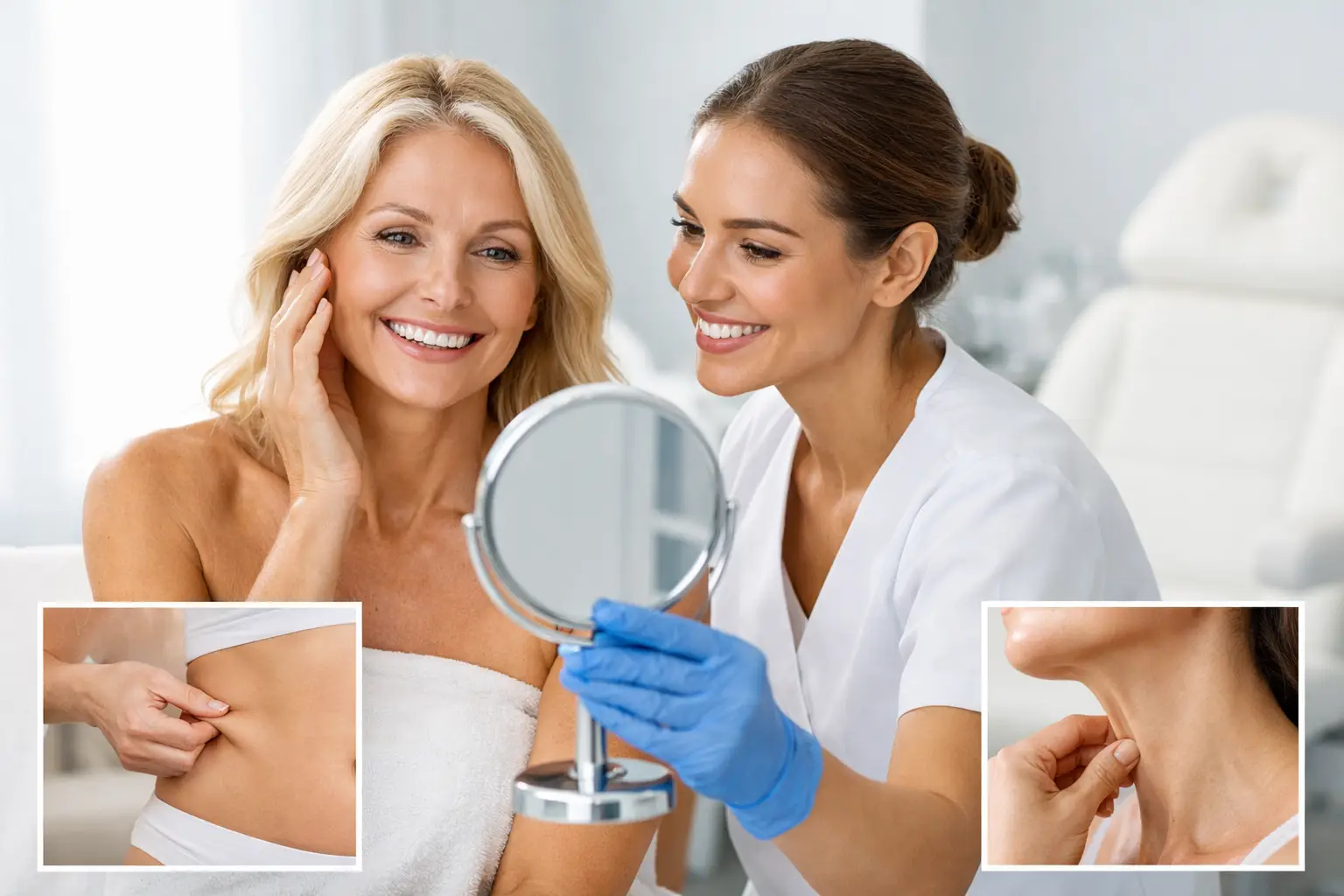
Learn what body lift after weight loss results can realistically look like, how scars heal, and what affects contour, comfort, and longevity.
A major weight loss can change your health, your mobility, and the way you feel in your own skin. It can also leave behind loose, heavy tissue that hides your progress. When patients start researching body lift after weight loss results, what they usually want is not perfection. They want their shape to finally reflect the work it took to get there.
That goal is realistic, but it deserves a clear-eyed explanation. A body lift can create dramatic improvement in contour, clothing fit, and comfort. It can also involve long incisions, a meaningful recovery, and results that depend on skin quality, procedure planning, and surgical technique. The best outcomes come from understanding both the transformation and the trade-offs.
What body lift after weight loss results usually include
After significant weight loss, the issue is rarely limited to one area. Skin laxity often affects the abdomen, waist, lower back, buttocks, outer thighs, arms, or inner thighs at the same time. A body lift addresses this by removing excess skin and reshaping the remaining tissue to create a firmer, smoother silhouette.
Most patients notice a flatter midsection, a more defined waist, and less hanging skin around the lower torso. Depending on the surgical plan, the buttocks and outer thighs may also appear lifted because the tissue is repositioned rather than simply cut away. This is one reason the procedure can look more balanced than treating the abdomen alone.
The visual change is often substantial, but the physical benefits matter just as much. Many patients report easier movement, less skin irritation, less rubbing, and more freedom in clothing choices. These are not small improvements. They affect daily life in practical ways.
Results depend on the type of lift you need
Not every post-weight-loss patient needs the same operation. Some need a lower body lift focused on the abdomen, flanks, and lower back. Others benefit from a more staged approach that may include an arm lift, thigh lift, breast reshaping, or tummy tuck performed separately.
This is where careful planning matters. If laxity is concentrated around the beltline, a circumferential lower body lift may produce the most visible change. If the main concern is abdominal overhang with limited back or thigh involvement, a more focused procedure may be enough. The right plan should match your anatomy, goals, medical history, and tolerance for recovery.
Well-executed surgery does not chase tightness at any cost. It aims for tension that improves contour while still protecting circulation, incision healing, and a natural-looking result.
What to expect in the first weeks and months
Early results can be misleading. Right after surgery, your shape is improved, but swelling is present and tissues are still settling. The first few weeks are often defined by compression garments, limited activity, and a gradual return to standing fully upright and moving more comfortably.
By the first several weeks, many patients can see the new body outline clearly, even though the area still feels firm or swollen. Over the next few months, swelling continues to decrease and scars begin to mature. The final result is not immediate. It develops as the tissues soften and the skin adapts to its new contour.
This timeline matters because patients sometimes judge their outcome too early. A result that looks high, tight, or uneven at first may refine considerably with proper healing. At the same time, patience does not mean ignoring concerns. Follow-up care is essential when healing after a body lift.
Body lift after weight loss results and scars
Scarring is part of the conversation and should never be minimized. Body lift surgery requires strategic incisions to remove a significant amount of excess skin. The trade is straightforward: longer scars in exchange for a dramatically improved shape.
For most patients, that trade feels worthwhile, especially when the scars can be placed low enough to hide beneath underwear or swimwear depending on the technique. Scar quality varies from person to person. Genetics, skin tone, tension on the closure, aftercare, and smoking status all influence how scars mature.
The good news is that scars usually improve with time. They often appear pink or firm early on, then flatten and fade over the course of many months. A skilled surgeon plans incisions with both contour and concealment in mind, which is one of the details that separates a merely acceptable result from an elegant one.
How stable weight affects long-term results
One of the biggest factors in body lift after weight loss results is whether your weight is stable before surgery. If you are still actively losing weight, there is a higher chance that additional skin laxity may develop later. If you gain a meaningful amount of weight after surgery, the contour can stretch or change.
Most surgeons prefer patients to be at or near a sustainable weight for several months before proceeding. This does not mean you need a perfect number on the scale. It means your body should be in a steady phase so surgical planning can be accurate and the result can last.
Long-term success also depends on nutrition, activity, and realistic expectations. Surgery can remove excess skin and improve proportion, but it does not replace the habits that helped you lose weight in the first place.
Who tends to see the best results
The strongest candidates are generally healthy non-smokers who have achieved major weight loss and maintained it. They have loose skin that does not improve with exercise, and they understand that contouring surgery is a finishing step, not a substitute for weight management.
Skin quality matters, but even patients with poor elasticity can see excellent improvement if the procedure is designed appropriately. What matters more is whether the remaining tissue can be reshaped safely and whether the patient can recover well. Nutrition is especially important after large weight loss. Protein intake, vitamin levels, and overall healing capacity should be taken seriously.
Patients with a history of bariatric surgery may need even closer planning because scar patterns, nutritional status, and abdominal anatomy can be more complex. This is one reason specialist evaluation is so important.
What can limit or complicate the outcome
There is no honest discussion of results without mentioning limitations. A body lift can tighten and reshape, but it cannot make every tissue behave like it did before major weight change. Some patients will still have a degree of residual laxity, asymmetry, or contour irregularity, especially if the skin was severely stretched for years.
Healing issues can also affect the final appearance. Areas under the most tension may take longer to heal. Swelling can linger. Small revisions are sometimes needed to refine the result. This does not mean the surgery failed. It means post-weight-loss reconstruction is complex and should be approached with precision rather than oversimplified promises.
The goal is meaningful improvement, not an artificially pulled look. The most attractive result is one that appears proportionate, smooth, and natural on your frame.
The value of surgical artistry
Technical skill is non-negotiable in body contouring, but artistry matters too. Removing skin is only one part of the operation. The surgeon must judge how much to resect, how to shape the waist, how to preserve symmetry, and how to place tension so the body looks refined rather than overcorrected.
This becomes even more important in patients who have worked hard to transform their bodies and want a result that feels elevated, not generic. At Marciales Plastic Surgery MD, that level of individualized planning is central to how post-weight-loss contouring is approached. A customized surgical plan can make the difference between a result that simply looks improved and one that looks beautifully considered.
What patients are often most happy about
While photos usually focus on contour, patients often describe the best part of surgery in more personal terms. They feel more comfortable getting dressed. They stop choosing clothing based on what hides excess skin. Exercise can feel easier. Intimacy often feels less self-conscious. Their body finally looks closer to how they already feel inside.
That emotional shift matters. For many patients, post-weight-loss surgery is not about changing identity. It is about completing a transformation that was already earned.
If you are considering this procedure, the most helpful next step is not chasing the most extreme before-and-after photos. It is having an honest consultation about what your anatomy allows, what recovery will require, and what kind of refinement is possible with the right plan. The best result is one that looks natural, feels lasting, and lets your progress show.