Explore the best sleeping positions after plastic surgery to support recovery and minimize discomfort. Learn how tailored positioning by procedure can aid healing.
The days and weeks following a surgical procedure are crucial for recovery, and one often overlooked aspect is how you sleep during this time. Sleep directly impacts healing and comfort, making it vital to find the right positions to support your body as it recovers.
The Importance of Sleep in Recovery
Sleep is a critical component of the healing process. During sleep, your body works to repair tissues, reduce inflammation, and build new cells. Ensuring you get adequate rest in a supportive position can minimize discomfort and aid in a smoother recovery. This is particularly important following plastic surgery, where the body needs to adapt to changes and heal efficiently.
Inadequate or improper sleep can lead to increased swelling, prolonged healing times, and even complications. Thus, understanding the best sleeping positions for your specific surgery can make a significant difference.
General Guidelines for Post-Surgical Sleep
While the specifics can vary by procedure, there are some general guidelines that apply to most post-surgical scenarios. The following tips can help create a conducive environment for healing:
- Elevate the operated area if possible to reduce swelling.
- Avoid sleeping on your stomach to prevent pressure on incisions.
- Use pillows strategically to maintain position and comfort.
- Aim for at least 7-9 hours of sleep per night to promote healing.
Specific Positions by Procedure
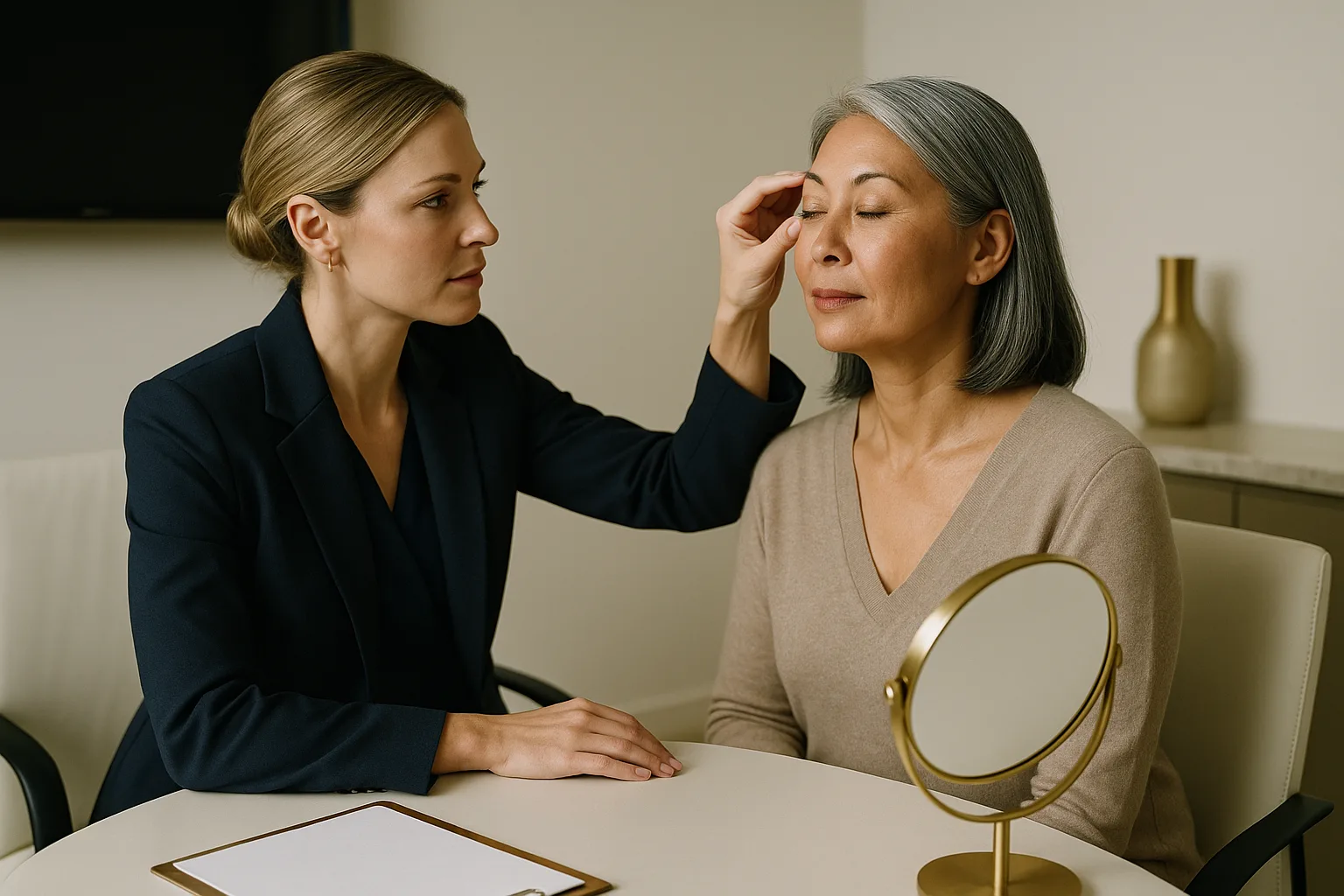
Facial Procedures
For surgeries involving the face, such as rhinoplasty or facelifts, sleeping on your back with your head elevated is ideal. This position minimizes swelling and protects delicate facial structures from unnecessary pressure.
Tip for Facial Surgeries Use a wedge pillow or an adjustable bed to keep your head elevated and prevent rolling onto your side during sleep.
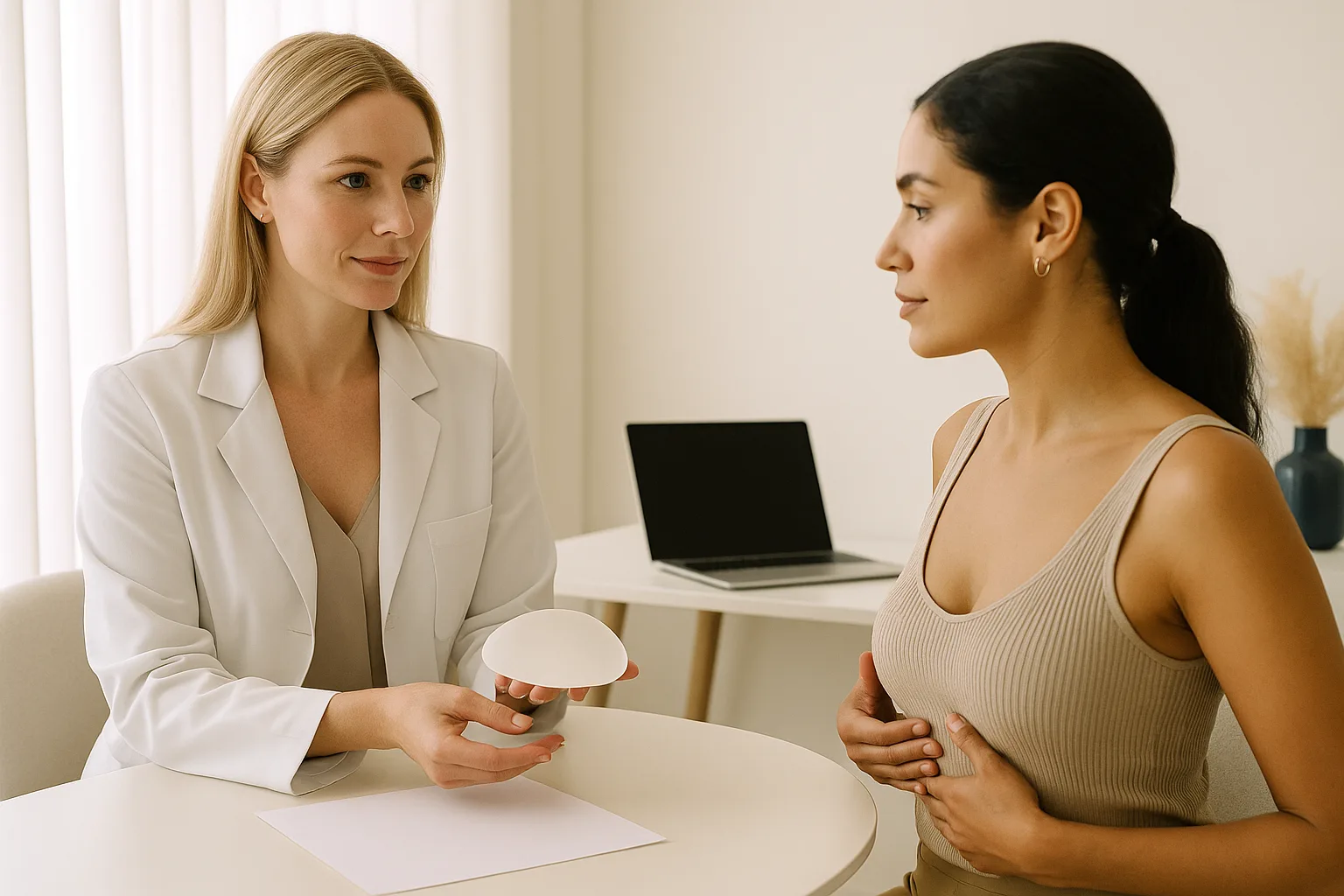
Breast Surgery
Post-breast augmentation or reduction, sleeping on your back is recommended. Elevating the upper body slightly can help reduce swelling and prevent discomfort from implant pressure or incisions.
Practical Consideration Consider a recliner or stacking pillows to maintain a semi-upright sleeping position for the first few weeks post-surgery.
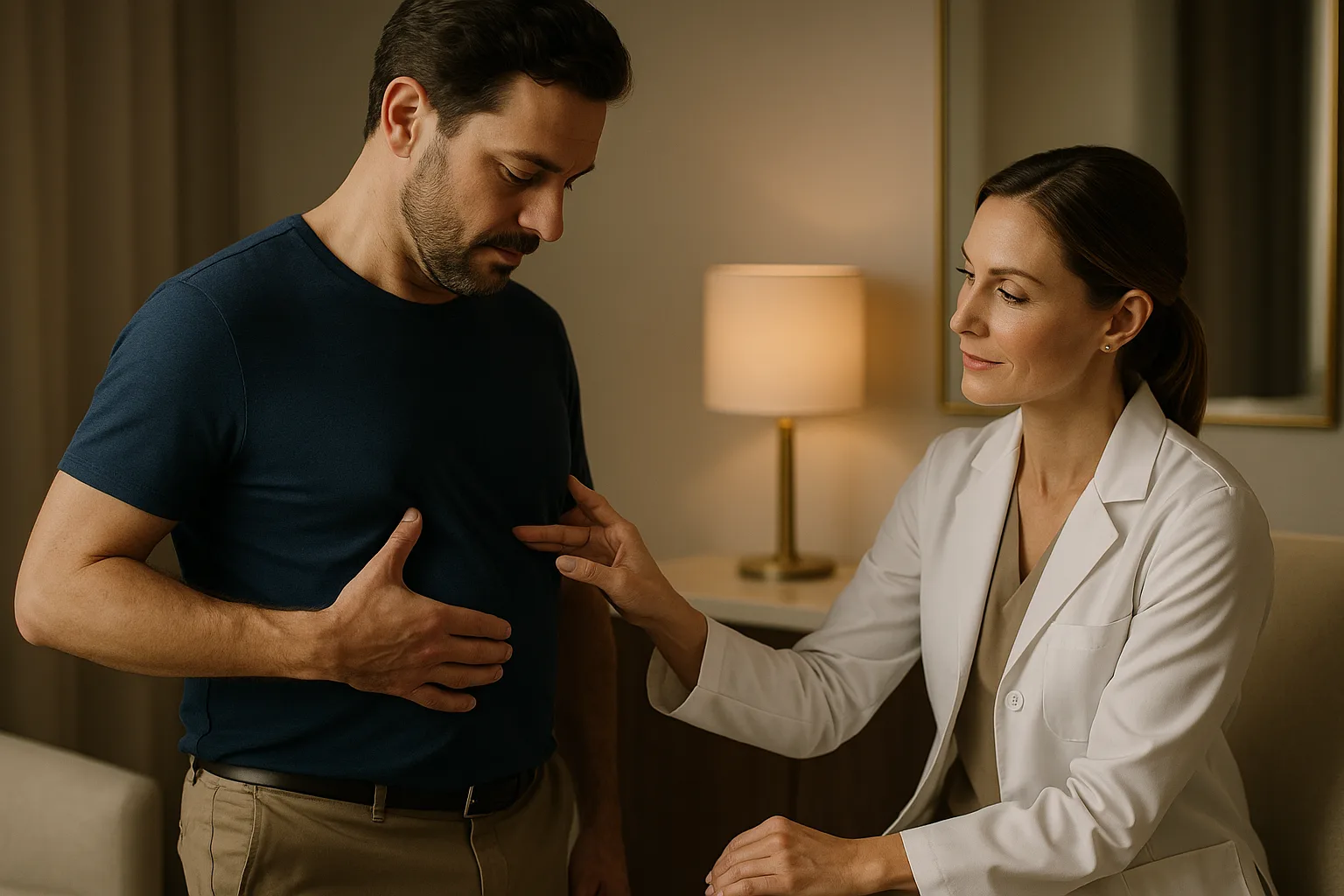
Abdominal Procedures
Following an abdominoplasty or liposuction, sleeping in a slightly bent position can alleviate tension on the abdominal area. A reclined position, often referred to as the “beach chair” position, can be beneficial.
Preparing Your Sleep Environment
Creating a supportive sleep environment is key to maintaining the recommended positions. Here are some ways to prepare your space:
- Ensure your mattress offers adequate support to prevent discomfort.
- Use extra pillows to bolster yourself and prevent rolling.
- Consider blackout curtains or a sleep mask to improve sleep quality.
- Keep a glass of water and any necessary medications nearby to avoid unnecessary movement during the night.
Listening to Your Body
While guidelines and recommended positions can provide a great starting point, it’s important to listen to your body. If a position feels uncomfortable or painful, it might need adjustment. Communicate with your surgeon about any discomfort or difficulties you experience, as they can provide personalized advice based on your procedure and healing process.
Remember that healing is a dynamic process, and what works in the first week may change as your recovery progresses.
Adjusting your sleep habits can be challenging, but these changes are temporary and essential for a successful recovery. To understand what specific recommendations apply to your situation, consider scheduling a consultation with Dr. Marciales. During this time, you can discuss your recovery plan in detail and receive tailored advice for your healing journey.