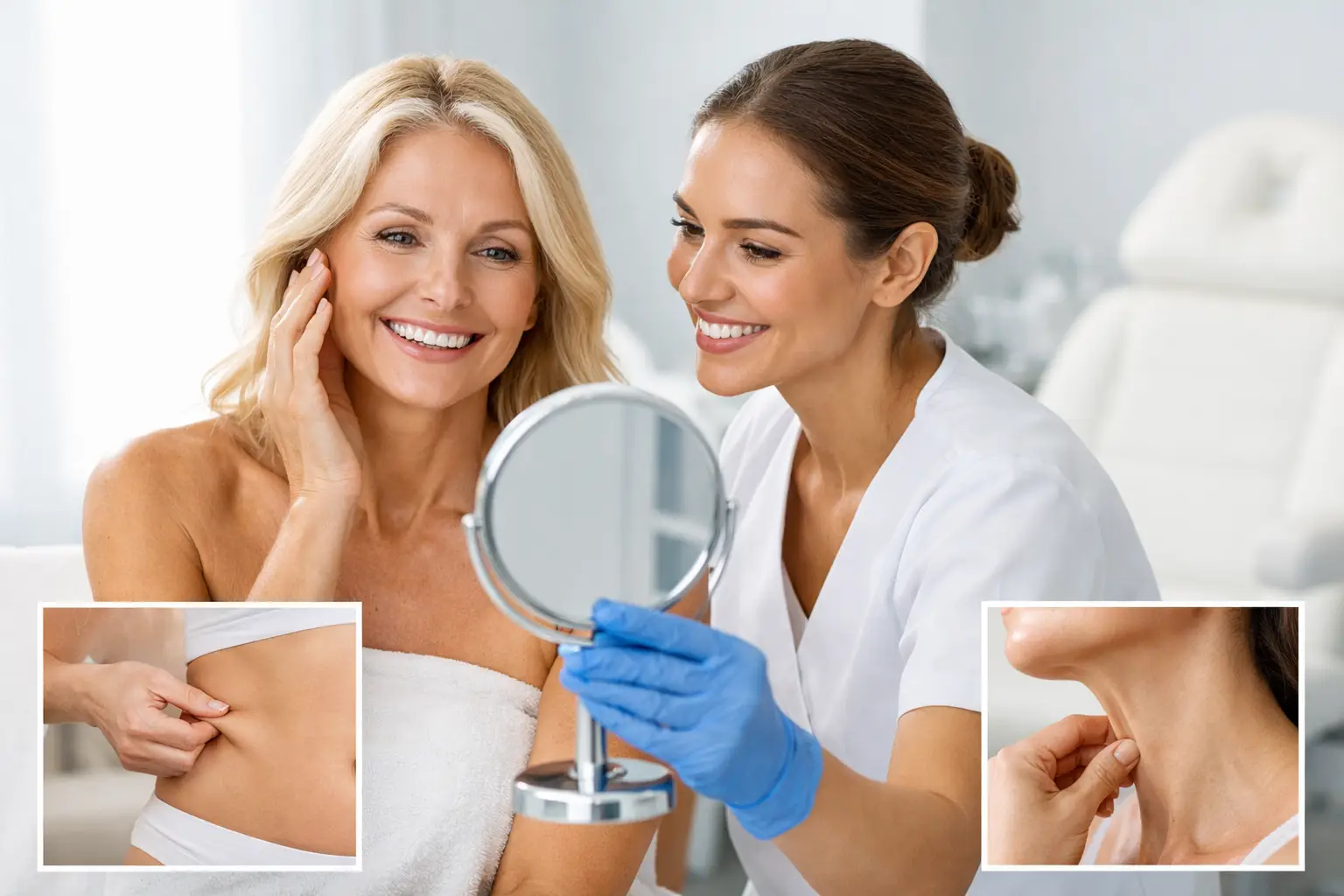
Is plastic surgery safe? Learn how surgeon skill, facility standards, anesthesia, and recovery planning shape risk and results.
A lower price or a dramatic before-and-after photo can get your attention fast. What matters more is what happens behind the scenes. When patients ask, is plastic surgery safe, the honest answer is yes - in the right hands, with the right plan, in the right setting. Safety is not a slogan. It is the result of surgical judgment, training, facility standards, careful screening, and disciplined follow-through before and after your procedure.
For anyone considering cosmetic surgery, that distinction matters. Plastic surgery is still surgery. It can deliver beautiful, confidence-restoring change, but it should never be approached casually. The best outcomes come from a process that respects both aesthetics and medicine.
Is Plastic Surgery Safe for Most Patients?
For healthy patients who are properly evaluated and treated by a qualified plastic surgeon, plastic surgery is generally safe. That does not mean risk-free. No operation is. Bleeding, infection, poor wound healing, anesthesia complications, scarring, asymmetry, and the need for revision are all possible, depending on the procedure.
What separates a safe experience from a risky one is rarely luck. It is usually preparation. A skilled surgeon evaluates whether you are a good candidate, whether your goals are realistic, and whether the procedure should be adjusted, staged, or avoided altogether. Patients are often surprised to learn that one of the strongest signs of a trustworthy surgeon is a willingness to say no.
Age alone is not the deciding factor. Overall health, smoking status, medical history, body weight, medications, and recovery support at home often matter more. A healthy 55-year-old may be a safer candidate than a 32-year-old who smokes, has uncontrolled blood pressure, and wants multiple major procedures combined in one day.
What Actually Makes Plastic Surgery Safer?
Safety in plastic surgery is built layer by layer. The surgeon is one part of that equation, but not the only one.
Board certification and surgical training
A board-certified plastic and reconstructive surgeon has completed rigorous specialty training focused on both cosmetic and reconstructive procedures. That background matters because technical execution is only part of the job. Sound judgment, complication prevention, and the ability to respond quickly if something unexpected happens are just as important.
Patients sometimes compare surgeons based on social media presence, pricing, or popularity. Those things may influence visibility, but they do not replace credentials, case experience, and procedural depth. If you are considering surgery, it is reasonable to ask how often your surgeon performs your procedure, what their complication protocols look like, and how they determine candidacy.
The surgical facility and anesthesia team
A beautiful office does not automatically mean a safe operating environment. Accreditation, sterilization protocols, monitoring equipment, emergency readiness, and experienced anesthesia professionals all play a major role.
Anesthesia is one area where patients often feel anxious, but modern anesthesia is very safe when administered by qualified professionals in an appropriate setting. The right type of anesthesia depends on the procedure, your health, and the length of surgery. A responsible team matches the anesthetic plan to the patient rather than forcing every case into the same formula.
Careful patient selection
Not every patient is a candidate for every operation. This is especially true for combined procedures such as a mommy makeover or more extensive body contouring after major weight loss. Longer surgeries can increase strain on the body, so surgeons must decide whether combining procedures makes sense or whether staging them will reduce risk.
This is where personalized planning becomes more than a marketing phrase. It is a safety measure. A surgical plan should reflect your anatomy, medical history, goals, and recovery capacity.
Procedure Type Changes the Risk Profile
Some surgeries are less invasive and involve shorter recovery. Others are more complex and naturally carry more risk. A small eyelid procedure is not the same as a tummy tuck with liposuction, and neither should be discussed as if they carry equal demands.
Facial procedures such as rhinoplasty, blepharoplasty, or a facelift require precision and a refined aesthetic eye, but they also involve specific anatomical concerns. Body procedures like liposuction, abdominoplasty, arm lifts, and thigh lifts can involve larger treatment areas, fluid shifts, and more significant healing. Breast surgery carries its own considerations, including implant-related decisions, tissue quality, and long-term maintenance.
That does not mean one category is unsafe and another is safe. It means risk should be discussed in relation to the exact procedure, your body, and the planned extent of correction.
Is Plastic Surgery Safe in Mexico?
For many US patients, this is the next question after the first one. The location itself does not determine safety. Standards, surgeon credentials, facility quality, and continuity of care do.
Tijuana has become a well-known destination for cosmetic surgery because it offers accessibility, value, and experienced surgeons who treat international patients regularly. That can be an advantage when a practice is structured to support medical travelers with organized consultations, clear instructions, and close postoperative follow-up.
At the same time, medical tourism demands more diligence, not less. Patients should understand exactly who will perform the procedure, where surgery will take place, what credentials the surgeon holds, how recovery is supervised, and what happens if concerns arise after they return home. Travel for surgery can be done safely, but only when the practice treats logistics and follow-up as part of the medical experience rather than an afterthought.
The Biggest Risk Factors Patients Can Control
Patients do not control every variable, but they do influence safety more than they may realize.
Smoking and nicotine use are major examples. Nicotine constricts blood vessels and reduces oxygen delivery, which can significantly impair healing and increase the risk of wound complications and tissue loss. This is especially relevant in procedures such as tummy tuck, facelift, breast surgery, and body contouring.
Following medication instructions also matters. Certain supplements, anti-inflammatory drugs, and blood thinners can increase bleeding risk. Being fully honest about your medical history matters just as much. If you have had prior surgeries, clotting issues, anesthesia reactions, or recent weight fluctuations, your surgeon needs to know.
Recovery planning is another area patients underestimate. You may need help walking, bathing, managing drains, avoiding strain, attending follow-up visits, and taking medications correctly. A polished result begins with a well-executed surgery, but it depends heavily on a well-supported recovery.
Red Flags That Should Make You Pause
If a consultation feels rushed, overly sales-driven, or dismissive of your questions, pay attention. Safety and trust usually reveal themselves in small moments. A strong practice explains risk clearly, sets realistic expectations, and does not pressure you into a procedure or an unrealistic timeline.
Be cautious if pricing is far below the market without a clear explanation, if credentials are vague, if there is no structured preoperative evaluation, or if the surgeon appears willing to perform too much surgery at once just because you requested it. Another concern is a promise of perfection. Skilled plastic surgeons aim for beautiful, natural, balanced improvement. They do not present surgery as exact, guaranteed, or consequence-free.
Good Results and Safe Results Are Connected
Patients sometimes separate safety from aesthetics, as if one concerns health and the other concerns appearance. In reality, they are closely linked. Overaggressive surgery can compromise healing, distort anatomy, and produce an unnatural look. Conservative judgment, tissue respect, and precise technique tend to support both safer recovery and more elegant outcomes.
That is especially true in cosmetic surgery, where the goal is not simply to do more. It is to do what suits your features, your anatomy, and your long-term goals. A natural-looking result often reflects careful restraint as much as technical skill.
For patients comparing surgeons, this is worth remembering. The safest surgeon is not always the one offering the biggest transformation in the shortest time. Often, it is the one offering the smartest plan.
How to Think About Risk Before You Book
Ask direct questions. Who will perform the operation? Is the surgeon board-certified in plastic and reconstructive surgery? Where will surgery take place? What kind of anesthesia will be used? What are the most common complications for this procedure? How are patients monitored after surgery? If you are traveling, how is follow-up handled?
The quality of the answers matters as much as the answers themselves. You should feel informed, not managed. Reassured, not pushed.
At Marciales Plastic Surgery MD, that philosophy is central to the patient experience. Surgical planning should feel personal, precise, and grounded in both safety and artistry. When those elements are aligned, patients can move forward with confidence rather than guesswork.
Plastic surgery can be a safe and meaningful investment in yourself, but the decision deserves seriousness. Choose the surgeon, setting, and surgical plan that make you feel protected as well as inspired. That balance is where peace of mind begins.