
At some high-volume clinics, the surgeon who consults you is not the one in the operating room. Here is why continuity with a single surgeon matters for your safety and your result.
When you plan plastic surgery, you spend a great deal of energy choosing the right surgeon. You read about their training, study their results, and sit down for a consultation where you finally feel understood. So it comes as a surprise to many patients to learn that, at some clinics, the surgeon who guided that consultation may not be the surgeon who performs the operation.
It is a practice more common than most people realize, particularly at high-volume clinics that move large numbers of patients through their doors. In that model, your consultation might be handled by a coordinator or one surgeon, while the actual procedure is assigned from a rotating pool of surgeons based on whoever is available on your surgery day. You may not know who will operate on you until you are already at the clinic, sometimes not until the morning of surgery.
We want to be clear and fair: there are skilled surgeons working in those settings. The concern is not any individual’s ability. The concern is continuity, and what gets lost when the person who planned your surgery is not the person holding the instruments.
Why continuity with one surgeon matters
A consultation is not a formality. It is where the surgical plan is built. The surgeon evaluates your anatomy, listens to your goals, examines your tissue quality, considers your medical history, and forms a detailed mental and technical picture of how to achieve the result you want. Much of that understanding lives in the surgeon’s own judgment, not on a chart.
When a different surgeon steps in on the day of surgery, they inherit a plan they did not create, for a patient they have never examined. Even with thorough notes, the nuance is hard to transfer. The subtle decisions that shape a natural result, such as how much tissue to remove, where to place an incision for your specific frame, or how to balance two sides that are not perfectly symmetric, depend on the surgeon having seen and assessed you personally.
Continuity also matters for trust. The relationship you build during your consultation is part of feeling safe and confident going into surgery. That trust does not transfer to a stranger you meet an hour before your procedure.
Accountability lives with one person
Perhaps the most important reason to insist on the same surgeon is accountability. When one surgeon consults, operates, and follows you through recovery, there is a single, clear point of responsibility for your care. That surgeon knows exactly what was done and why, and they own the outcome from start to finish.
In a pooled model, responsibility can become diffuse. If a question arises during recovery, the surgeon who operated may not be the one available, and details can get lost in the handoff between consultation, operating room, and follow-up. Good plastic surgery is a continuous relationship, not a series of disconnected appointments.
This continuity becomes especially valuable in the rare event that something needs attention after surgery. A surgeon who planned and performed your procedure can address a concern with full context. That is far harder when care has been divided among several people who never spoke directly about your case.
The stakes are higher than a disappointing result
It is worth being honest about why this matters so much. Plastic surgery is real surgery, with real anesthesia and real risk. When procedures are performed in high-volume or poorly regulated settings, where patients are rushed, screening is thin, and responsibility is divided among people who never coordinate directly, the margin for safety narrows.
Serious complications, and in rare cases deaths, have been associated with these environments. The true frequency is difficult to know, because adverse outcomes in cosmetic surgery are widely acknowledged to be underreported. What is clear is the ripple effect: every such incident draws public attention, and the damage extends far beyond the clinic involved. It feeds a broader distrust that unfairly tarnishes the reputation of the majority of clinics and surgeons who screen their patients carefully, operate responsibly, and stand behind their results. A model built on continuity and personal accountability is one of the most direct safeguards against the conditions that lead to those outcomes.
How to protect yourself when choosing a clinic
The good news is that this is easy to screen for. A few direct questions during your consultation will tell you everything you need to know.
- Ask plainly: “Will you personally perform my surgery?” A straightforward answer is a good sign. Vagueness is a reason to keep asking.
- Ask who to expect on the day of surgery, and whether the surgeon you are speaking with will be present from start to finish.
- Ask who manages your follow-up care and how to reach your surgeon directly if you have a concern during recovery.
- Confirm board certification for the specific surgeon who will operate, not just “the clinic.” You can learn more about why this matters in our guide on choosing a board-certified plastic surgeon.
If a clinic cannot or will not tell you who will operate, treat that as meaningful information. You deserve to know.
Our approach at Marciales Plastic Surgery
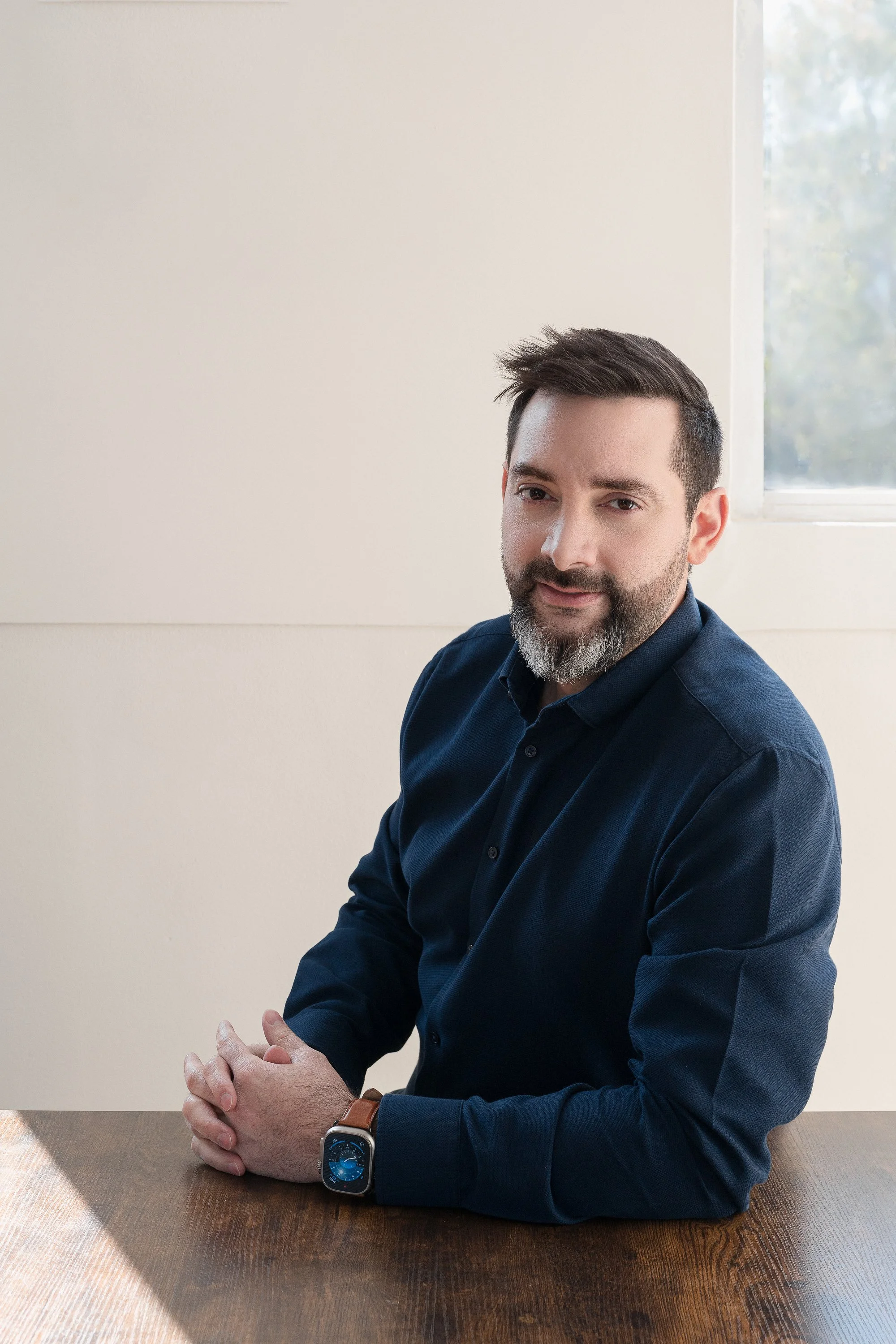
Our practice is built on the opposite principle. When you consult with Dr. Carlos Marciales, you are meeting the surgeon who will plan your procedure, perform it personally, and guide you through recovery. There is no pool, no surgery-day surprise, and no handoff of your care to someone you have not met.
That continuity is not just a matter of comfort. It is how a personalized surgical plan stays intact from the first conversation to the final result. Whether you are considering a procedure on the face, a breast or body procedure, or a mommy makeover, the surgeon who studies your anatomy and earns your trust is the same surgeon in the operating room.
Plastic surgery is personal, and the relationship between a patient and their surgeon is part of what makes a result feel right. You should never have to wonder who will be operating on you.
If you want a consultation with the surgeon who will actually perform your procedure, schedule a visit. Dr. Marciales will sit down with you, build a plan around your goals, and stay with you through every step.