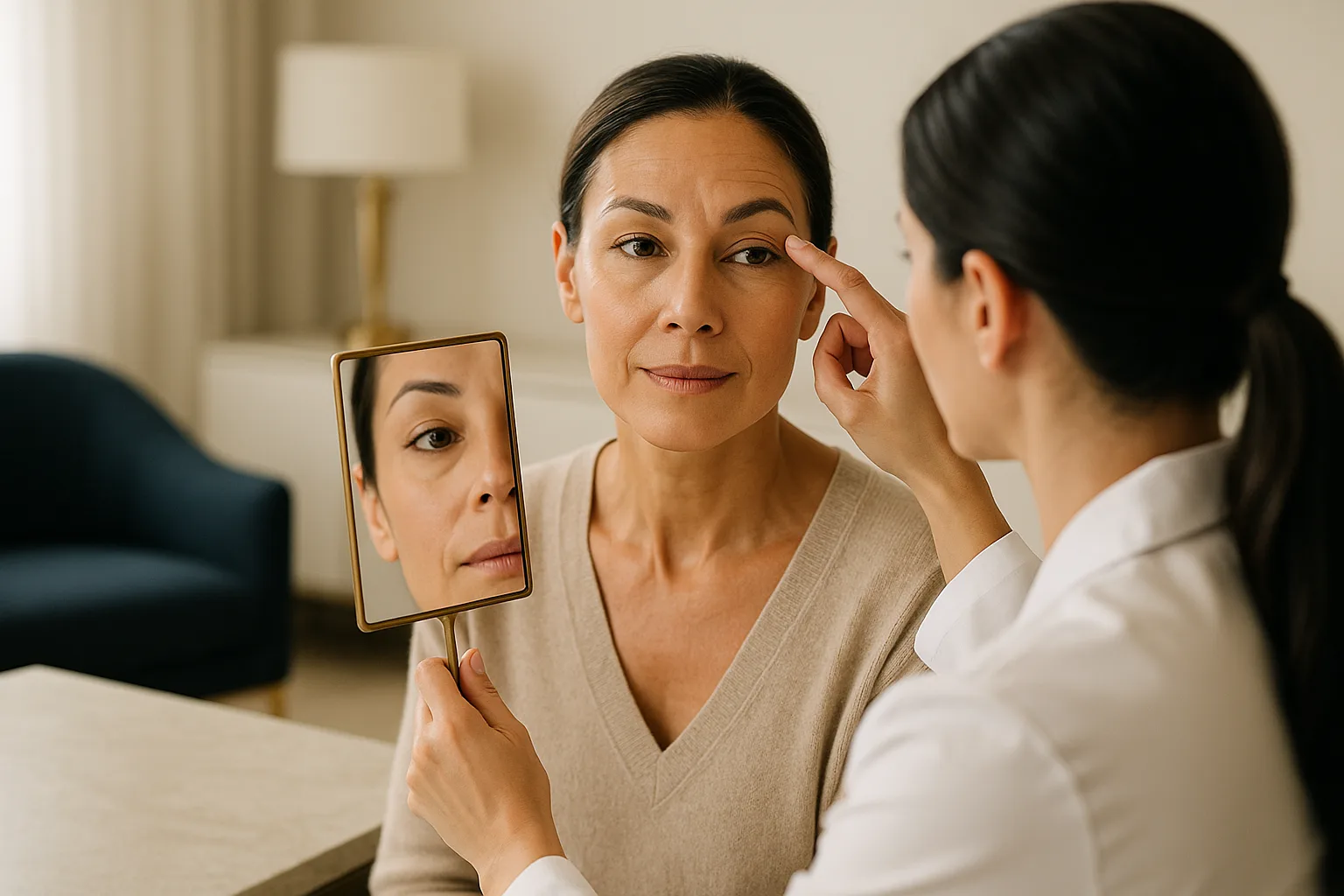

Swelling is a natural part of surgical recovery, but understanding its role and management can ease concerns. Here's a guide to navigating swelling after surgery.
Undergoing surgery is a significant step toward achieving your aesthetic goals, but the recovery phase can be just as crucial. One of the most common concerns patients face is post-operative swelling. While it can be unsettling, understanding the role of swelling in your recovery journey can help ease concerns and set realistic expectations.
What Causes Swelling After Surgery?
Swelling, known medically as “edema,” is your body’s natural response to surgery. When tissue is cut or manipulated, your body sends extra blood and fluids to the area to aid in healing. This influx of fluids causes the area to swell. It’s a protective mechanism that facilitates healing by delivering nutrients and oxygen to the affected tissues. However, the degree and duration of swelling can vary depending on the procedure and individual factors.
The Phases of Swelling During Recovery
Swelling typically follows a predictable pattern post-surgery. Understanding these phases can help you anticipate changes and manage your expectations.
Initial Swelling Phase
In the first 48 to 72 hours after surgery, you will likely experience the most significant swelling. This is due to the immediate inflammatory response to tissue trauma. During this time, it’s essential to follow your surgeon’s post-operative care instructions closely.
Subacute Phase
After the initial phase, swelling gradually decreases over the next few weeks. While noticeable, it usually becomes more manageable. Adhering to prescribed compression garment use and elevating the affected area can expedite this process.
Long-Term Resolution
For many patients, residual swelling can persist for several months, especially after major procedures. It’s important to be patient and allow your body the time it needs to fully recover and show the final results.
Managing Swelling: Practical Tips
While swelling is a natural part of the healing process, there are effective strategies to manage it and promote recovery.
- Follow your surgeon’s instructions regarding rest and activity levels.
- Use compression garments as directed to help minimize swelling.
- Elevate the affected area above heart level to improve circulation.
- Stay hydrated to support your body’s natural healing processes.
- Avoid salty foods, as excess sodium can increase fluid retention.
- Apply cold compresses if advised by your surgeon to reduce initial swelling.
Tip for Reducing Swelling Elevating the affected area above heart level for 15-20 minutes several times a day can significantly reduce swelling and promote healing.
When to Contact Your Surgeon
While swelling is normal, it’s crucial to recognize when it might indicate a problem. If you experience sudden or severe swelling, redness, warmth, or if it is accompanied by fever, reach out to your surgeon promptly. These may be signs of infection or other complications that require medical attention.
Setting Realistic Expectations
Understanding that swelling is a temporary but essential part of recovery can alleviate stress. It is normal to feel anxious about the changes in your body post-surgery, but patience and adherence to recovery guidelines will help you achieve the best possible outcome.
The Role of a Follow-Up Consultation
Regular follow-up visits with Dr. Marciales are vital to monitor your recovery and address any concerns. These consultations provide an opportunity to discuss your progress and any lingering questions you may have about swelling or other aspects of your recovery.
Recovering from surgery is a journey that requires understanding, patience, and adherence to medical advice. If you have questions or need personalized guidance, consider scheduling a consultation with Dr. Marciales. His expertise and support can help ensure a smooth and successful recovery.