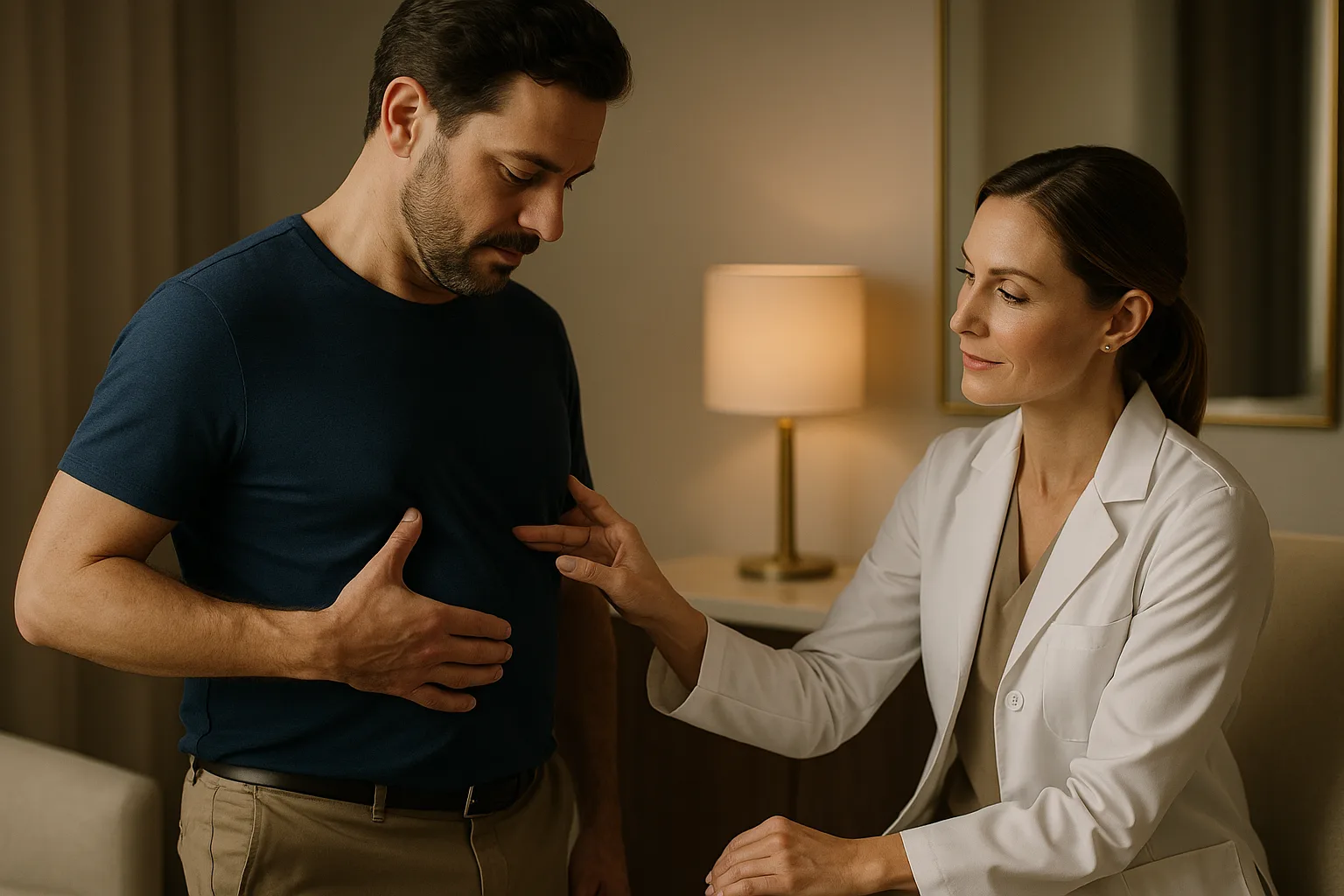
Discover the best sleeping positions for a smoother recovery after various surgical procedures. Learn how to support healing and comfort during your post-operative journey.
The period following surgery is crucial for healing, and one aspect often overlooked is the importance of sleep. Proper rest can significantly influence your recovery, yet finding a comfortable position can be a challenge. In this post, we guide you through optimal sleeping positions for different surgical procedures to support your healing journey.
The Importance of Sleep in Recovery
Sleep is a fundamental component of the healing process. During sleep, your body works to repair tissues, reduce inflammation, and bolster the immune system. After surgery, quality rest is even more critical as your body needs additional resources to heal efficiently. Disrupted sleep can lead to prolonged recovery times and may impact your overall well-being.
Finding the right sleeping position can help minimize discomfort, reduce swelling, and prevent complications like wound dehiscence. It is important to adhere to your surgeon’s guidelines regarding sleep positions, which can vary based on the type of surgery you have undergone.
Sleeping Positions for Different Surgeries
After Abdominoplasty (Tummy Tuck)
For patients recovering from a tummy tuck, sleeping in a slightly bent position is often recommended. This can be achieved by sleeping on your back with a pillow under your knees or using a recliner. This position helps reduce tension on the incision line and minimizes the risk of complications.
Practical Tip Consider investing in a wedge pillow to maintain an elevated position while sleeping on your back. It can help reduce swelling and keep you comfortable.
After Breast Surgery
Whether you’ve had a breast augmentation, lift, or reduction, sleeping on your back is usually advised. This position helps avoid pressure on the chest area, allowing incisions to heal without interference. Elevating your upper body with pillows can also assist in minimizing swelling.
After Facial Surgery
For procedures involving the face, such as a facelift or rhinoplasty, sleeping with your head elevated is crucial. This position aids in reducing swelling and bruising. Using multiple pillows or a specialized wedge can keep your head propped up comfortably.
After Liposuction
Depending on the area of liposuction, you may need to adjust your sleeping position to avoid pressure on treated areas. For liposuction on the abdomen, back sleeping with elevation is ideal. For thigh liposuction, side sleeping with a pillow between your legs can offer support and comfort.
Additional Tips for a Restful Recovery
Beyond choosing the right sleeping position, other strategies can enhance your post-surgical rest. Consider these additional tips to foster a more restful recovery.
- Stick to a regular sleep schedule to help your body establish a new rhythm.
- Create a relaxing bedtime routine to signal to your body that it’s time to wind down.
- Keep your sleeping environment cool, dark, and quiet to promote better sleep quality.
- Avoid caffeine and electronic devices before bed as they can interfere with sleep onset.
- Follow any specific sleep-related instructions provided by your surgeon.
Listening to Your Body
Every patient’s recovery journey is unique, and it’s important to listen to your body. If a certain position causes pain or discomfort, adjust as needed. Communicate any concerns with your healthcare provider to ensure you’re on the right track.
Dr. Marciales and his team at New City Medical Plaza are committed to providing guidance throughout your recovery process. If you have questions about sleeping positions or other aspects of healing, consider scheduling a consultation to discuss personalized advice tailored to your procedure.
For those embarking on a surgical journey, understanding how to optimize recovery through sleep can have a profound impact on your overall experience and outcomes. We invite you to reach out and learn more about how we can support your healing journey.