
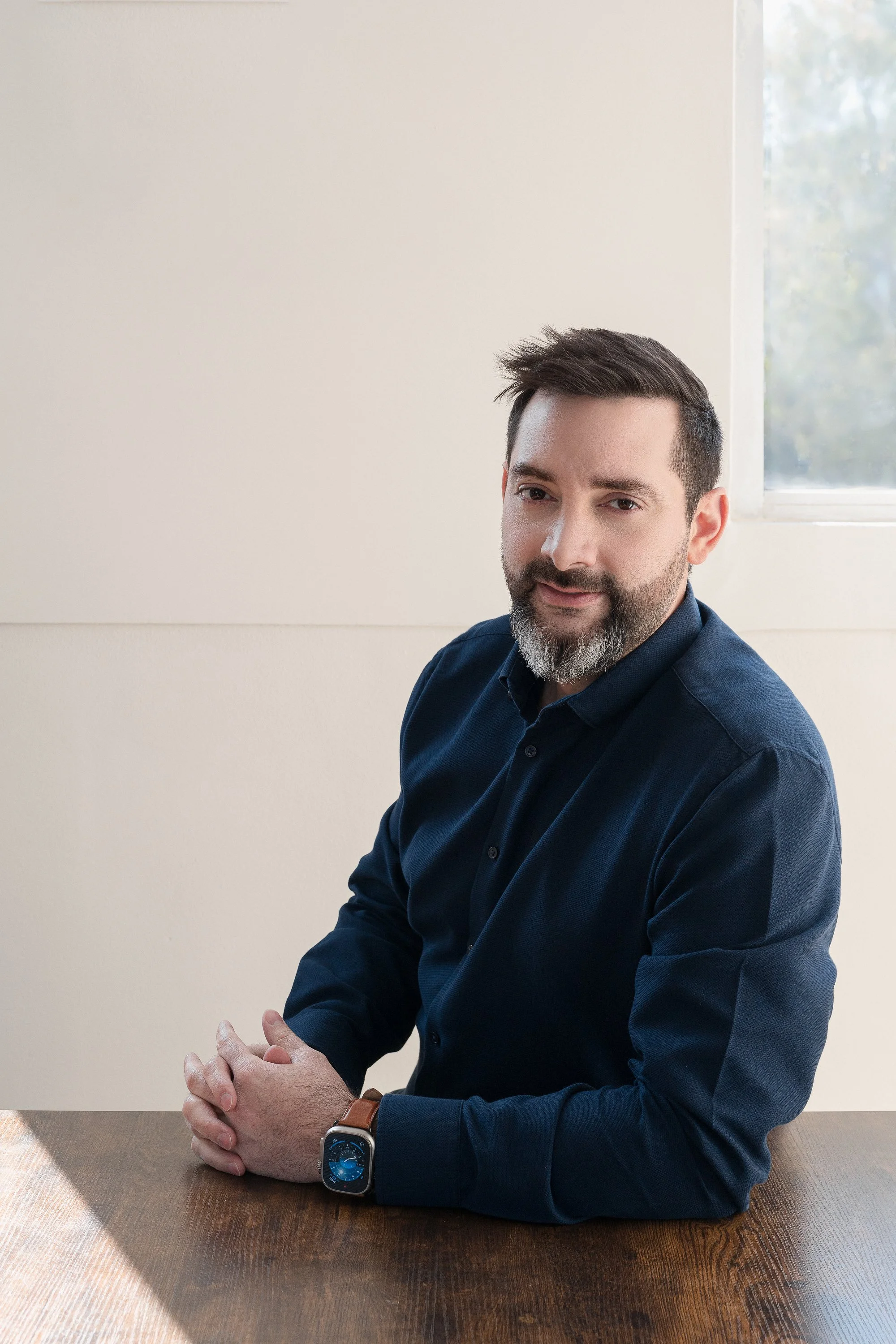
Explore how non-surgical treatments can enhance your appearance and complement surgical procedures. Learn when they may suffice and when surgery might be necessary.
In the world of aesthetic medicine, non-surgical treatments have emerged as valuable tools for those seeking to enhance their appearance without the commitment of surgery. As you contemplate your aesthetic journey, it’s essential to understand what these treatments can offer and how they fit alongside surgical options. This article aims to provide clarity on when non-surgical treatments might be enough and when surgery should be considered.
The Basics of Non-Surgical Treatments
Non-surgical treatments are minimally invasive procedures that aim to enhance or rejuvenate one’s appearance. They include options such as botulinum toxin injections, dermal fillers, laser treatments, and chemical peels. These treatments generally involve little to no downtime, making them appealing for those with busy lifestyles.
Unlike surgery, which can provide dramatic and permanent changes, non-surgical treatments are often temporary and require maintenance to sustain results. They are typically used to address early signs of aging, such as fine lines, wrinkles, and minor skin laxity. It’s crucial to have realistic expectations about what these treatments can achieve, which is why consulting with a qualified professional like Dr. Marciales is vital.
Botulinum Toxin and Fillers: Understanding Their Roles
Botulinum toxin and dermal fillers are among the most popular non-surgical treatments. Each serves a different purpose, and understanding their roles can help you determine which might be suitable for your needs.
Botulinum Toxin
Botulinum toxin injections, commonly known by brand names like Botox, work by temporarily paralyzing the muscles that cause wrinkles. They are most effective for dynamic wrinkles, which form from facial expressions such as frowning or squinting. The results typically last three to four months.
Dermal Fillers
Dermal fillers, on the other hand, are used to add volume to areas of the face that have lost fullness due to aging. They can smooth out static wrinkles, enhance lips, and restore youthful contours. Fillers can last anywhere from six months to two years, depending on the type used.
Key Consideration Botulinum toxin and fillers target different types of wrinkles. Discuss your specific concerns with Dr. Marciales to determine the most appropriate treatment.
Signs That Non-Surgical Treatments May Be Enough
For some individuals, non-surgical treatments can effectively meet their aesthetic goals, particularly if the concerns are mild to moderate. Here are some signs that these treatments might be sufficient for you:
- You have mild wrinkles or fine lines.
- Your skin has minor laxity but does not require lifting.
- You desire subtle enhancements without the need for surgery.
- You are looking for treatments with minimal recovery time.
- You want to test aesthetic changes before committing to surgery.
When Surgery Might Be More Appropriate
While non-surgical treatments offer many benefits, they are not always the solution for everyone. Surgical options may be more appropriate if you have significant concerns about aging or other aesthetic issues. Situations where surgery might be preferable include:
- Excessive skin laxity that cannot be addressed with fillers or botulinum toxin.
- Desire for more dramatic and permanent results.
- Significant sagging in areas like the lower face and neck.
- Deep folds and wrinkles that do not respond to non-surgical treatments.
Practical Tip Consider a combination of non-surgical and surgical treatments for a comprehensive approach to your aesthetic goals.
Maintaining Results from Non-Surgical Treatments
Maintaining the results of non-surgical treatments typically requires regular follow-up appointments. The frequency depends on the type of treatment and individual factors such as skin type and lifestyle. For instance, botulinum toxin injections generally need to be repeated every three to four months, while dermal fillers may last longer.
Adopting a good skincare routine, protecting your skin from sun exposure, and leading a healthy lifestyle can prolong the effects of these treatments. Dr. Marciales can provide personalized recommendations based on your specific needs and treatment plan.
Conclusion: Navigating Your Aesthetic Options
Deciding between non-surgical treatments and surgery is a personal choice that should be made with careful consideration and professional guidance. Non-surgical treatments can provide a worthwhile solution for many individuals, either as standalone options or as complements to surgical procedures.
If you are contemplating your aesthetic options, consider scheduling a consultation with Dr. Marciales. He can help you navigate the possibilities and develop a treatment plan that aligns with your goals and lifestyle.