Understanding when and how to safely resume exercise after surgery is crucial for optimal recovery. Explore realistic timelines and tips tailored to various procedures.
Undergoing surgery, whether cosmetic or reconstructive, is a significant event that requires careful planning not only before but also after the procedure. One of the most common questions patients ask is, “When can I start exercising again?” While staying active is important for overall health, it’s crucial to approach post-surgical exercise with caution to ensure proper healing and avoid complications.
The Importance of Rest in Initial Recovery
Immediately following surgery, your body needs time to heal. This initial recovery period is typically characterized by rest and minimal physical activity. Depending on the type of surgery performed, this phase can range from a few days to several weeks. During this time, your body directs energy towards healing wounds and reducing inflammation.
Engaging in strenuous activities too soon can disrupt this process, potentially leading to complications such as increased swelling, bruising, or even infection. Thus, following your surgeon’s post-operative instructions is vital to ensure a smooth recovery.
General Guidelines for Resuming Exercise
While every patient’s recovery timeline will differ, there are general guidelines that can help you understand when it might be safe to resume different types of physical activities. Remember, these are guidelines and should be discussed with Dr. Marciales during your follow-up appointments.
- Light Walking: Typically, patients can begin light walking as soon as they feel comfortable. This form of exercise helps promote circulation and reduces the risk of blood clots.
- Gentle Stretching: After about two weeks, you might begin gentle stretching to maintain flexibility, but it’s crucial to avoid any strain on the surgical area.
- Low-Impact Activities: Around four to six weeks post-surgery, some patients may resume low-impact activities like stationary cycling or yoga, as long as they avoid positions that put stress on the incision sites.
- Strength Training and High-Impact Exercise: These activities usually require at least six to eight weeks of recovery time. It’s important to focus on gradual increase in intensity and always prioritize form and safety.
Procedure-Specific Considerations
Different surgeries have unique recovery requirements, and understanding these nuances is key to planning your return to exercise.
Abdominal Surgeries
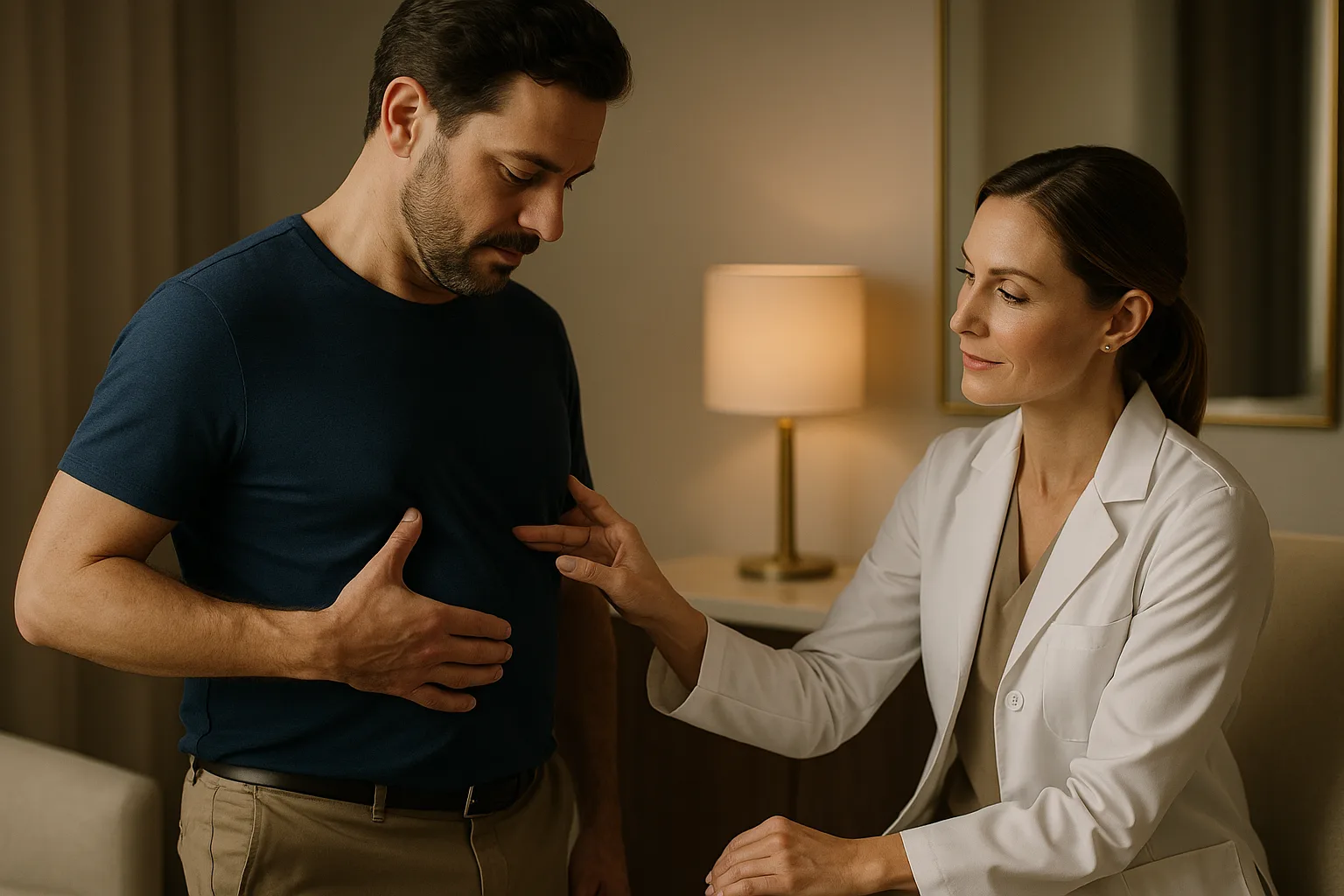
Procedures such as tummy tucks or liposuction around the abdomen often require a more cautious approach. Engaging core muscles too soon can impede healing. Patients are generally advised to avoid abdominal exercises for at least six weeks.
Breast Surgeries
After breast surgeries, including augmentations or reductions, exercises involving the upper body should be approached with care. Patients might be able to start light arm movements after a few weeks but should avoid heavy lifting or chest exercises for up to two months.
Facial Surgeries
Facial procedures often allow for a quicker return to activities like walking, but high-impact or jarring movements should be avoided to prevent stress on healing tissues. Gentle movements are encouraged, but always follow specific guidance from Dr. Marciales.
Tip for a Safe Return to Exercise Always listen to your body and stop any exercise that causes pain or discomfort. Recovery is not a race, and gradual progress ensures long-term success.
Listening to Your Body: Signs to Watch For
Resuming exercise too soon can lead to setbacks. It’s important to listen to your body and recognize signs that you might be overexerting yourself. These can include increased pain, swelling, or redness at the incision site, fatigue, or any unusual symptoms.
If you experience any of these signs, it may be necessary to reduce your activity level and consult with Dr. Marciales to adjust your recovery plan.
Communication with Your Surgeon
Regular communication with Dr. Marciales throughout your recovery is crucial. Each patient’s recovery experience is unique, and adjustments to exercise routines should be made based on your specific healing process.
Before resuming any exercise, it’s advisable to have a thorough discussion during your follow-up appointments. This ensures your activities are aligned with your current stage of recovery and overall health status.
Gradual Progression Returning to exercise should be a gradual process. Start with lower intensity and shorter duration, and slowly build up as your body allows. This minimizes the risk of injury and supports healing.
Resuming exercise after surgery requires patience and careful planning. By respecting your body’s healing process and following the guidelines set by Dr. Marciales, you can safely return to a healthy and active lifestyle. If you’re considering surgery or are in the recovery phase, a consultation with Dr. Marciales can provide personalized guidance tailored to your needs.